Spring is a time of renewal, and for gardening enthusiasts, it represents an opportunity to create vibrant spaces filled with color and life. Whether you are starting from scratch or enhancing an existing garden, flower planting techniques can significantly impact the aesthetics and health of your outdoor space. Each step, from selecting the right plants to understanding soil conditions, plays a crucial role in successful garden planting.
Understanding Your Space
Before diving into planting, it is essential to assess your garden's unique characteristics. Take note of sunlight exposure throughout the day. modern custom garden design outdoor planting Some flowers thrive in full sun, while others prefer partial shade. Additionally, evaluate soil quality. Conducting a simple soil test can reveal pH levels and nutrient content, guiding your plant selection process.
Consider your garden's layout as well. Are there existing structures or trees that cast shadows? Is the area prone to wind or heavy rain? These factors will help you determine which types of flowers will flourish in your environment.
Selecting the Right Flowers
When it comes to creating a vibrant spring garden, plant selection is paramount. Choose flowers that complement each other not only in color but also in their growing conditions. For instance, combining drought-tolerant varieties with those requiring more water can lead to complications during dry spells.
Some popular choices for spring gardens include daffodils, tulips, and hyacinths for early blooms. As the season progresses, consider adding perennials like peonies and coneflowers that offer lasting beauty year after year. Incorporating ornamental grasses can also provide texture and movement throughout the garden.
Pay attention to bloom times as well; overlapping flowering periods will ensure continuous color and interest from early spring through late summer.
Soil Preparation: The Foundation of Success
Healthy soil is the backbone of any thriving garden bed. Begin by clearing the area of weeds and debris. This not only improves aesthetics but also reduces competition for nutrients among emerging plants.
Next, amend your soil based on its initial condition. If it’s too sandy or clay-heavy, incorporate organic matter such as compost or well-rotted manure. This enriches the soil structure while improving drainage and aeration—two critical factors for root development.
For those looking to enhance their gardening experience further, consider incorporating mulch around newly planted flowers. Mulch helps retain moisture while suppressing weeds, allowing plants to establish themselves without unnecessary competition.
Planting Techniques: Getting It Right
The actual act of planting can vary depending on flower type but generally follows similar principles:
Start by digging holes that accommodate the root balls of your chosen plants. Ensure they are deep enough so that the crown of each flower sits slightly above soil level; this prevents rot while encouraging healthy growth.
When arranging your flowers within beds, aim for groupings rather than isolated specimens. Clusters not only create visual impact but also encourage pollinator activity—a vital aspect of a flourishing garden ecosystem.
Water each plant thoroughly after placing them in their new homes; this helps eliminate air pockets in the soil while providing immediate hydration.
Seasonal Planting Considerations
Timing is everything when it comes to seasonal planting strategies. Spring is ideal for many annuals and perennials as they prepare for their peak growing season. However, some gardeners may choose to start seeds indoors weeks before the last frost date to get a head start on growth.
For those who prefer an easier approach or lack space indoors for seed starting, purchasing young plants from local nurseries provides a viable alternative. Look for healthy specimens with no signs of disease or pests—vigorous plants will better withstand transplant shock when introduced into your garden beds.
Maintenance Strategies for Lasting Beauty
Once established, regular maintenance becomes crucial for keeping your flower beds thriving throughout spring and beyond. This includes consistent watering practices tailored to weather conditions—aiming for deep watering sessions rather than frequent light sprinkles encourages deeper root systems.
Deadheading spent blooms promotes prolonged flowering periods by redirecting energy toward new growth instead of seed production. Furthermore, vigilant monitoring for pests can prevent infestations from decimating hard-earned progress; introducing beneficial insects like ladybugs can help maintain balance within your ecosystem naturally.
Fertilization should be approached judiciously; over-fertilizing can lead to lush foliage at the expense of blooms. A balanced slow-release fertilizer applied once during blooming season typically suffices unless specific deficiencies arise based on soil tests.
Enhancing Your Garden with Shrubs and Trees
Integrating shrubs and trees into your flower planting scheme adds dimension while offering additional benefits such as shade and habitat for wildlife. Choosing ornamental varieties can enhance visual appeal without compromising overall design integrity.
Select shrubs that align with your desired aesthetic—consider flowering options like hydrangeas or butterfly bushes alongside evergreens that provide year-round structure even when flowers fade away in winter months.
Trees can serve multiple purposes; not only do they provide shade on hot summer days but their blossoms often attract pollinators crucial for fruit-bearing plants nearby—creating symbiosis within your landscape design.
As you plan placements within borders or focal points throughout gardenscapes remember scale matters—the height difference between towering trees versus low-growing perennials creates visual interest while preventing overcrowding issues down the line.
Creative Design Elements: Beyond Traditional Borders
While traditional flower beds are beautiful staples in any garden setting sometimes innovative approaches yield striking results! Incorporating raised beds allows gardeners control over conditions while infusing personality through varied materials—from timber frames paired with decorative stones—to modern metal structures featuring unique shapes!
Additionally think about vertical gardening methods if space limitations exist—using trellises adorned with climbing vines creates stunning walls draped in blooms all season long!
Consider utilizing color theory principles when designing arrangements as well subtle contrasts harmonizing hues add depth! For instance pairing warm-colored marigolds next cold-toned blue lobelia draws eyes towards focal points while evoking emotion within spaces—you want visitors feeling enchanted when approaching entrances leading into gardens!
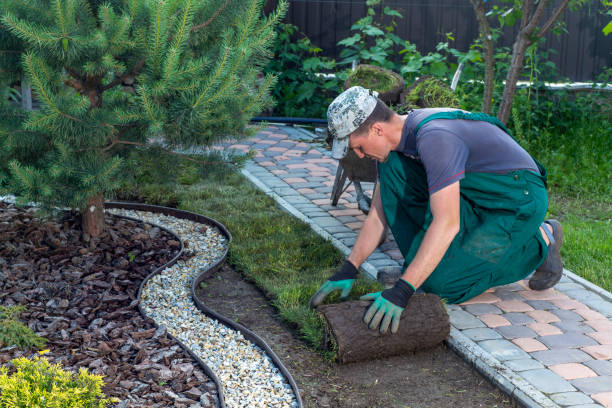
Lastly don’t shy away from experimenting! Gardening offers endless possibilities so embrace creativity explore textures shapes scents all contributing experiences cultivating joy among nature lovers alike!
Professional Plant Installation Services
For those who prefer leaving this transformative process to experts professional planting services provide invaluable assistance ensuring optimal outcomes tailored specifically based upon individual needs preferences style desires! Experienced landscapers understand nuances surrounding local climates seasonal variations enabling them tailor designs accordingly maximizing potential beauty longevity gardens crave!
When seeking professional help look out portfolios showcasing past projects similar scope envision may have—they reflect skillsets artistry involved creating customized landscapes fulfilling dreams while alleviating stress associated managing complex tasks involved otherwise!
Choosing reputable companies ensures transparency communication remains central throughout process allowing adjustments refinements along way resulting ultimately delightful transformations completed successfully meeting expectations set forth initially!
Creating a vibrant spring garden involves thoughtful planning execution attention detail across myriad aspects—from selecting appropriate flowers preparing soils implementing effective maintenance strategies integrating complementary elements—all culminating harmonious coexistence nature cultivated lovingly nurtured blooming brilliantly under sunlit skies!